 Gentle
Baleal
Prainha
- Beach break
- Beginner-safe
Where our lessons run
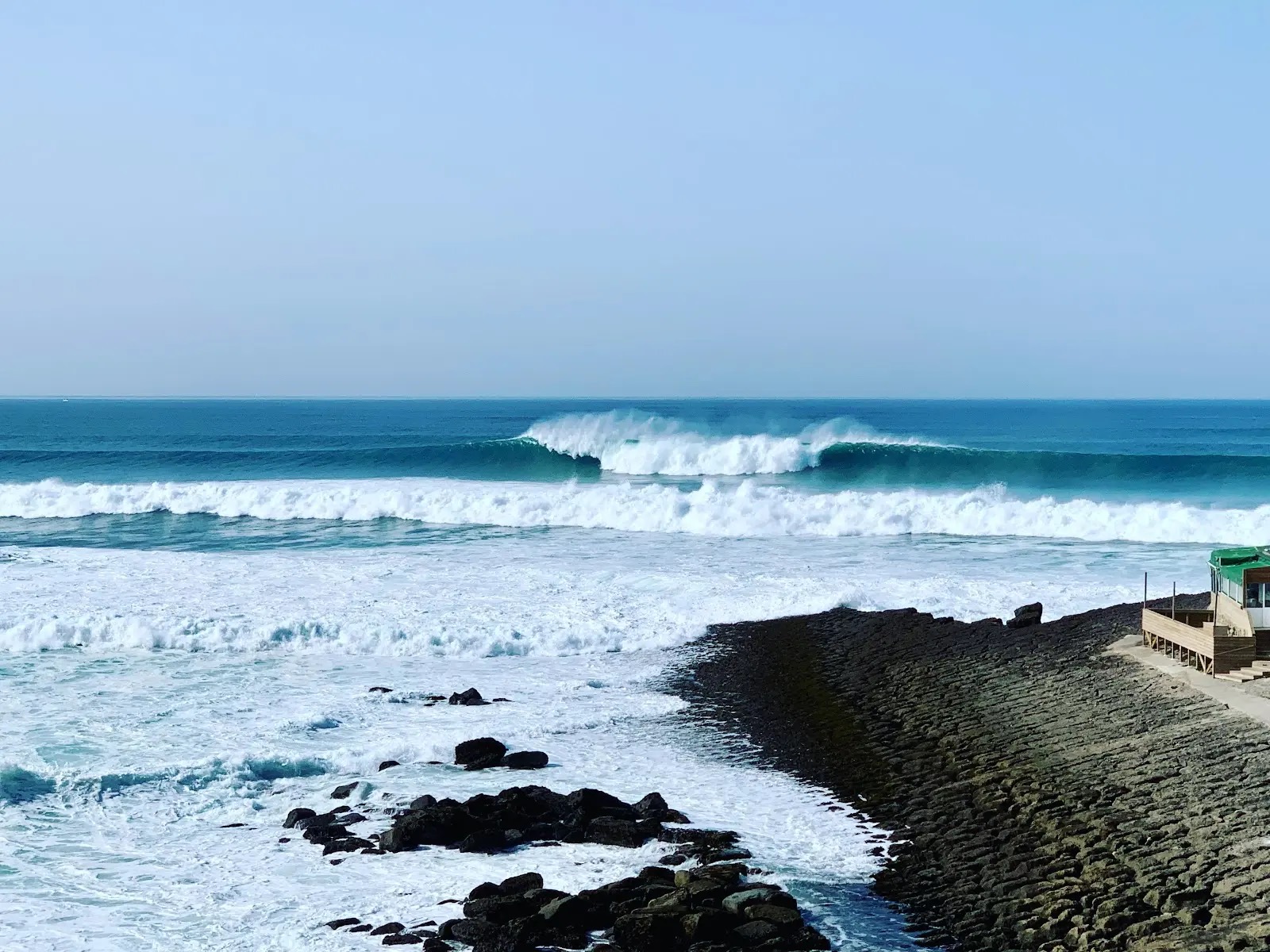
Every surf spot around Baleal and Peniche: who it is for, when it works, and how it is right now.
Live now
Reading the latest forecast…
GentleBaleal
Where our lessons run
 Serious
Baleal
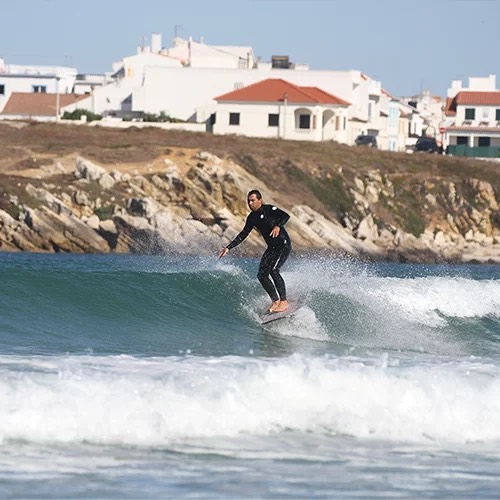 Gentle
Baleal
Where our lessons run
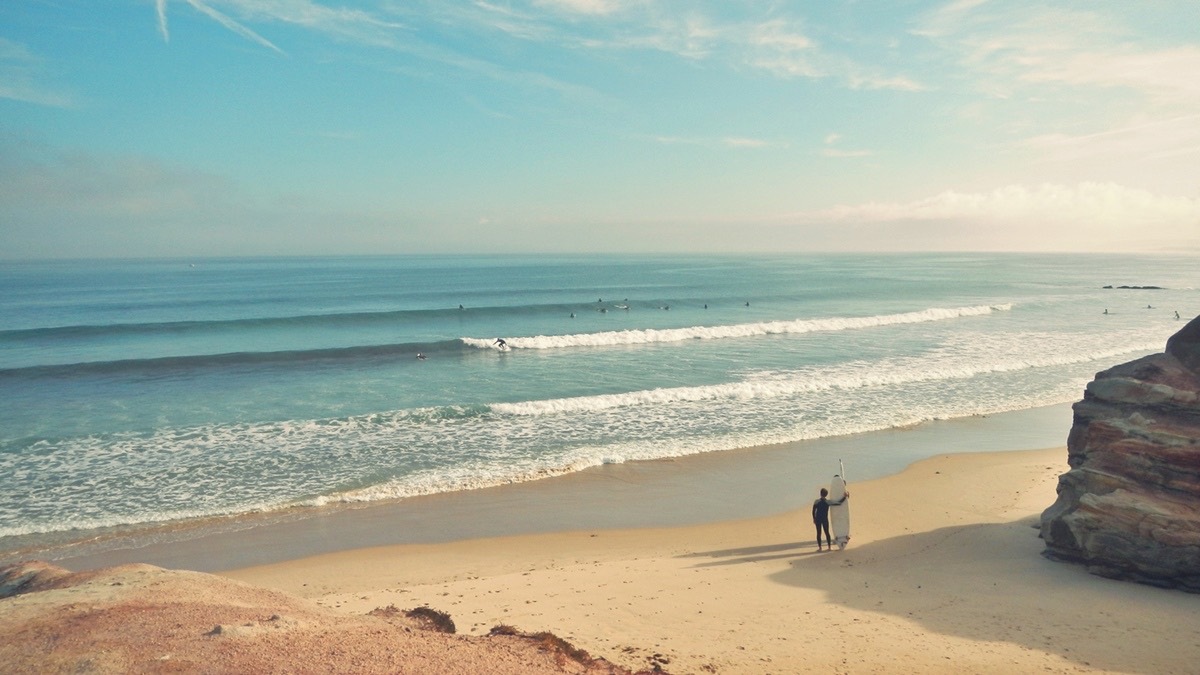 Moderate
Baleal
Where our lessons run
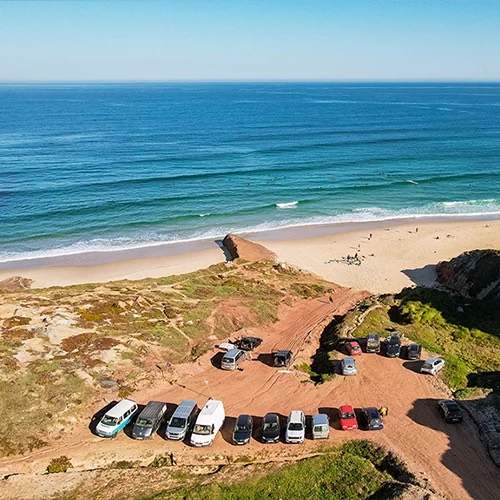 Gentle
Ferrel / North Coast
Where our lessons run
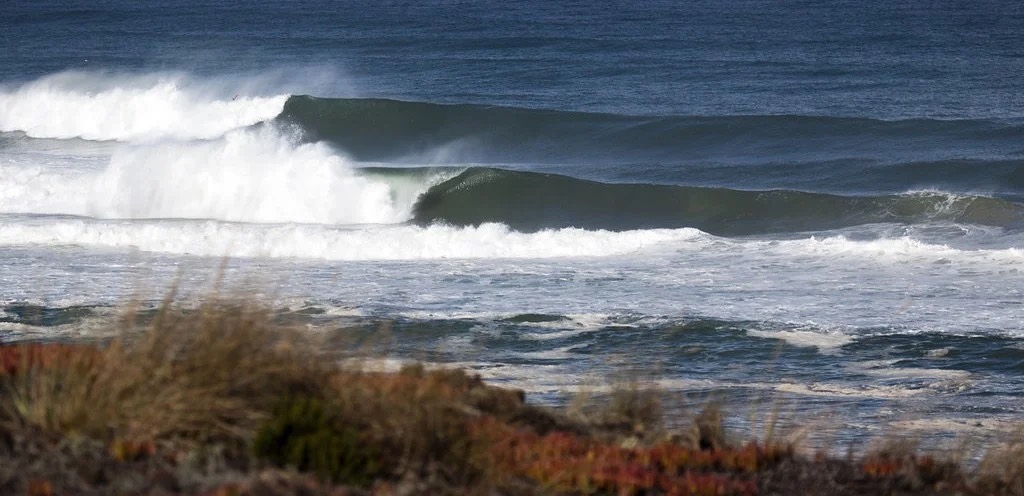 Gentle
Ferrel / North Coast
Where our lessons run
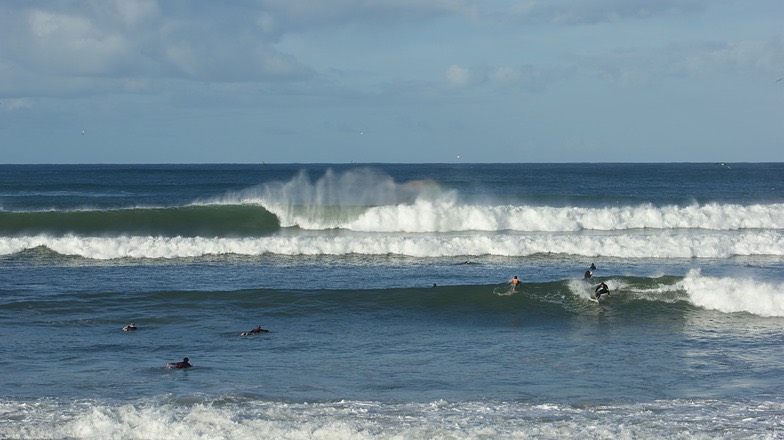 Gentle
Ferrel / North Coast
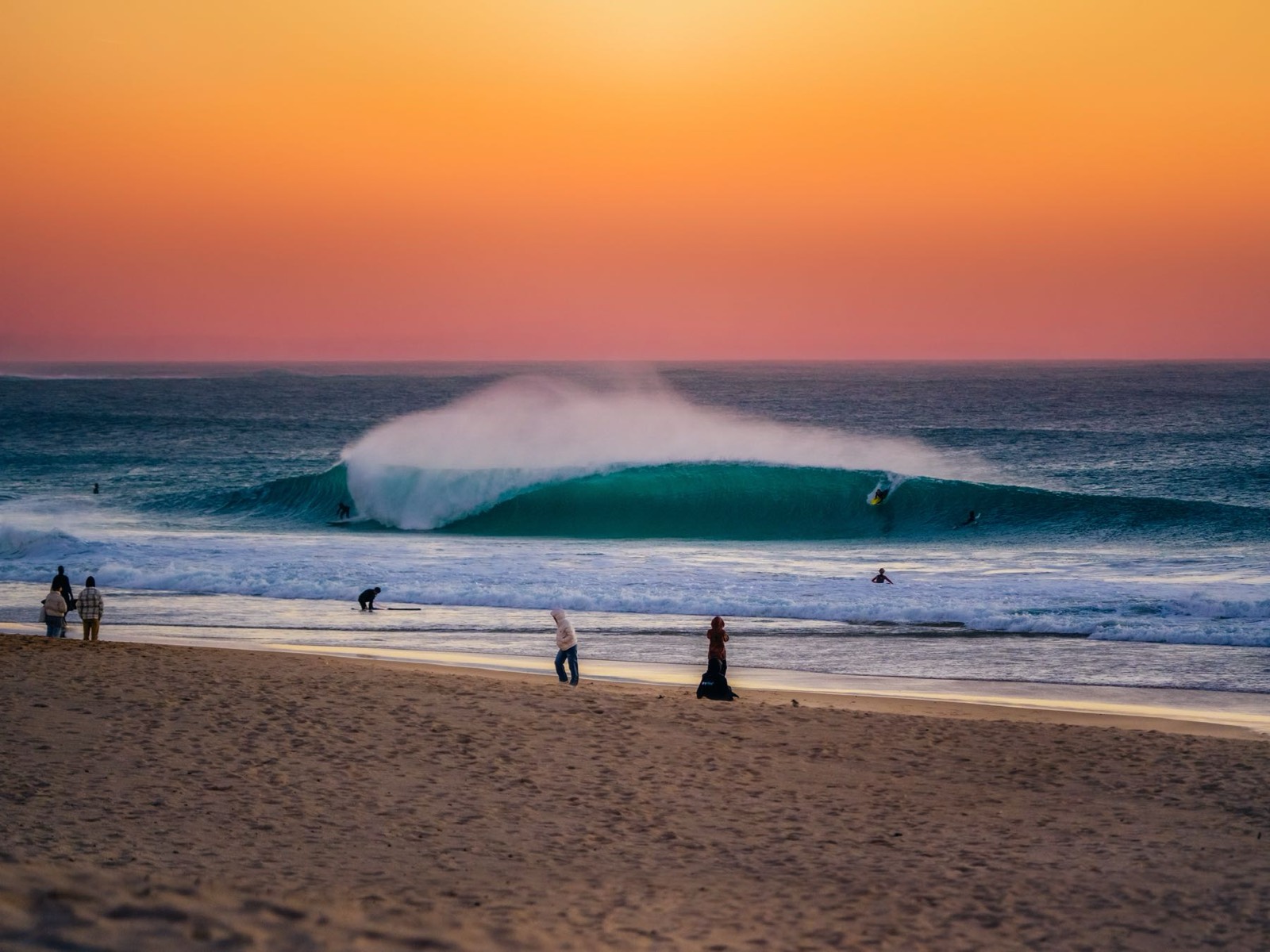 Extreme
Peniche
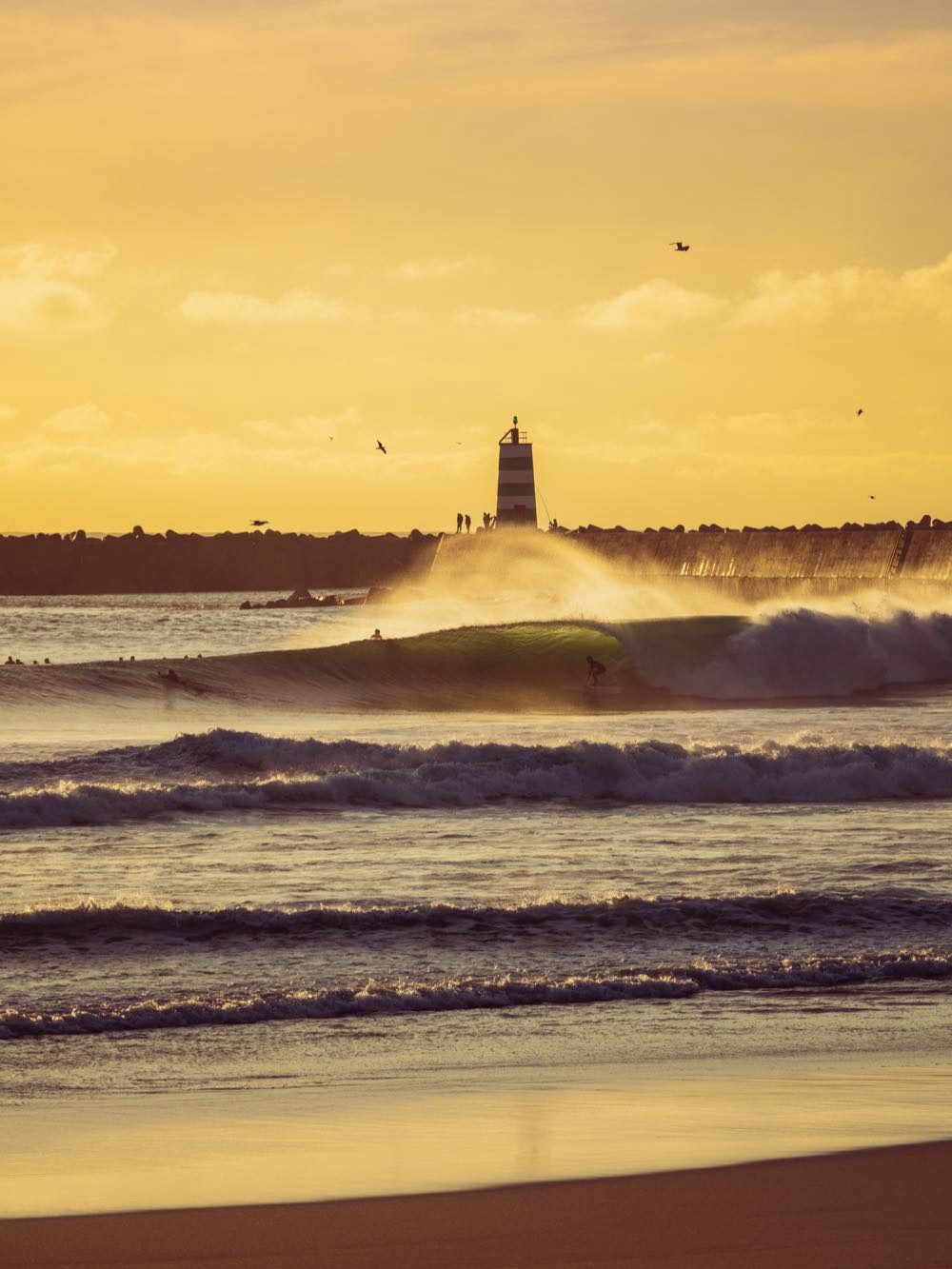 Serious
Peniche
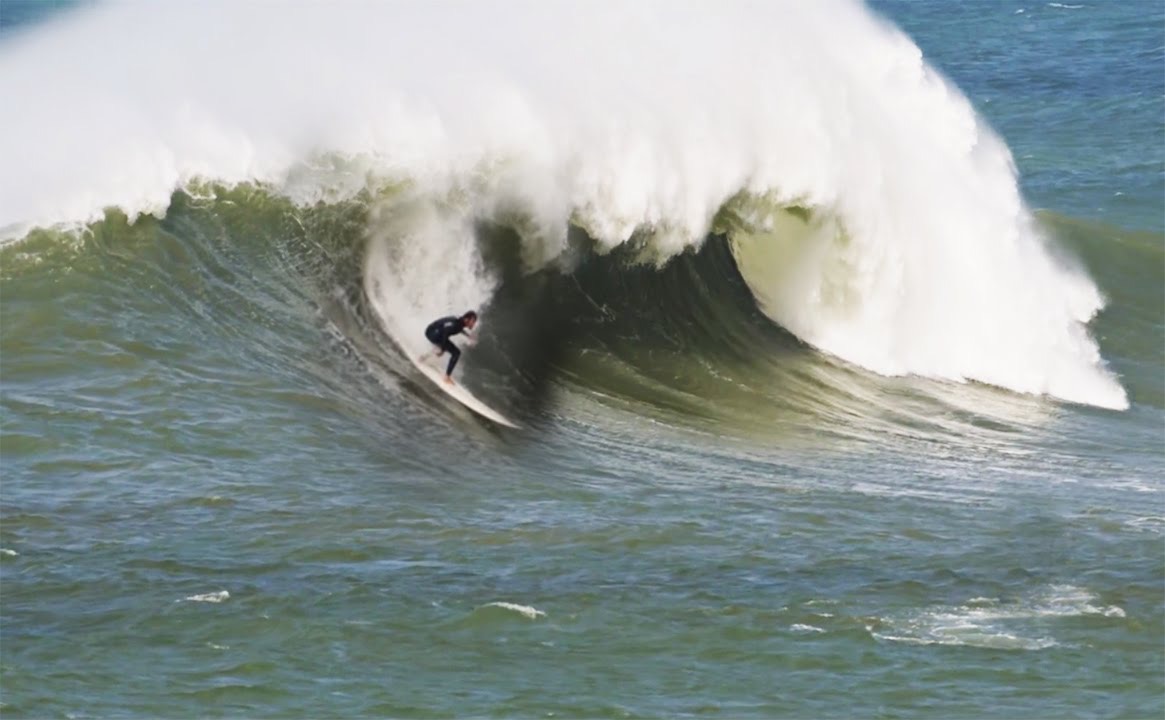 Extreme
Peniche
SeriousPeniche
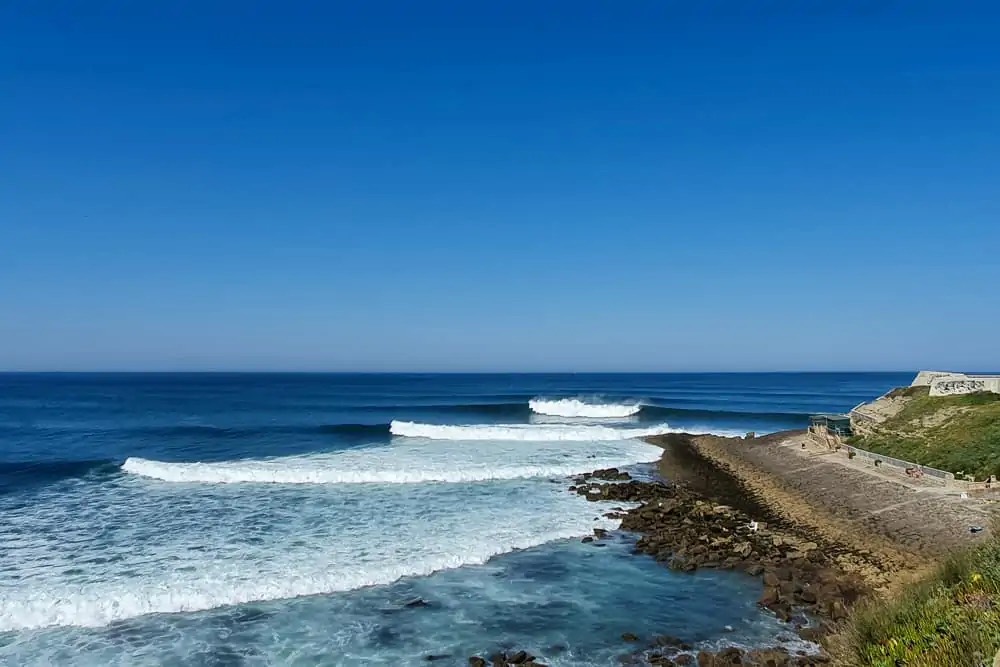 Serious
Peniche
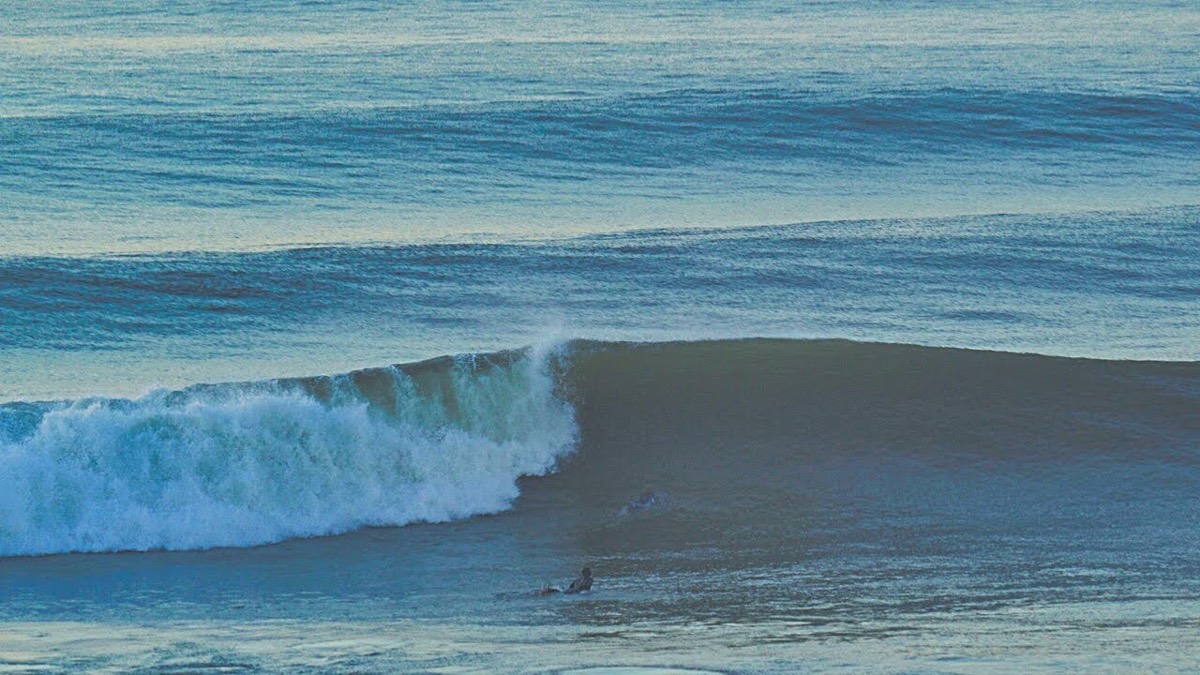 Moderate
Peniche
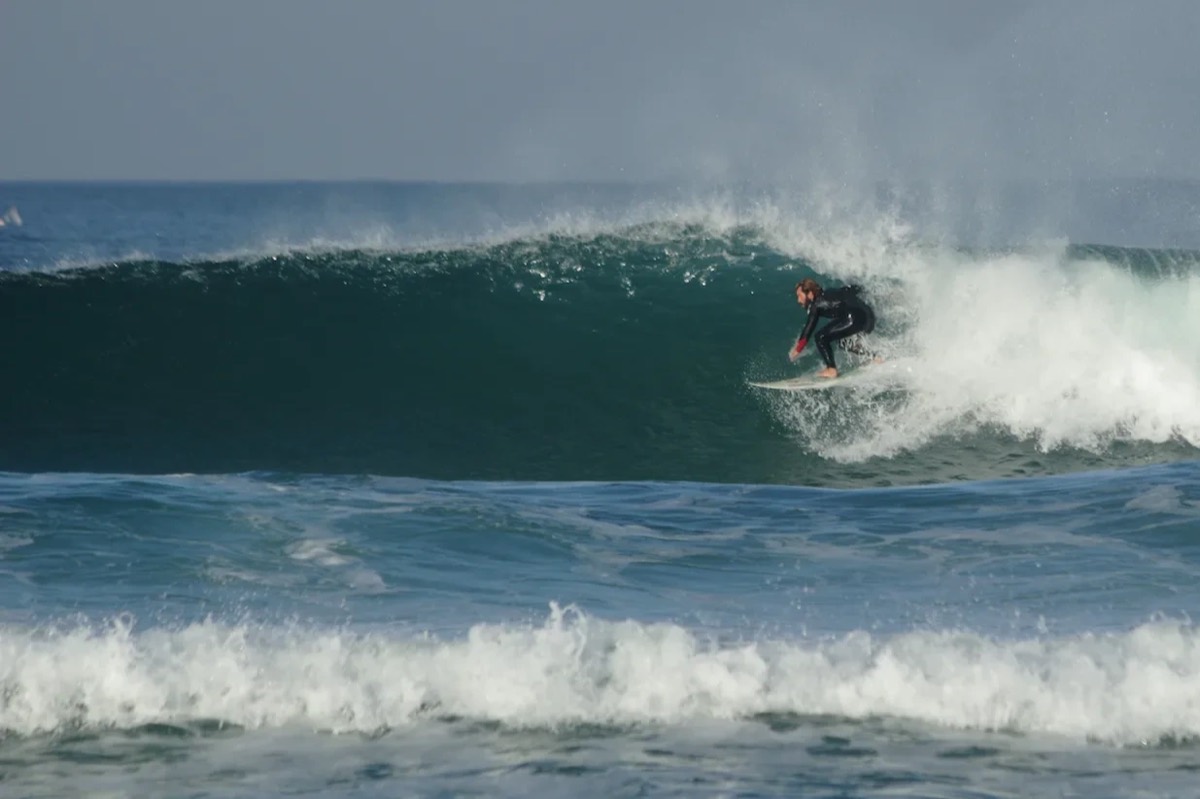 Gentle
Further afield
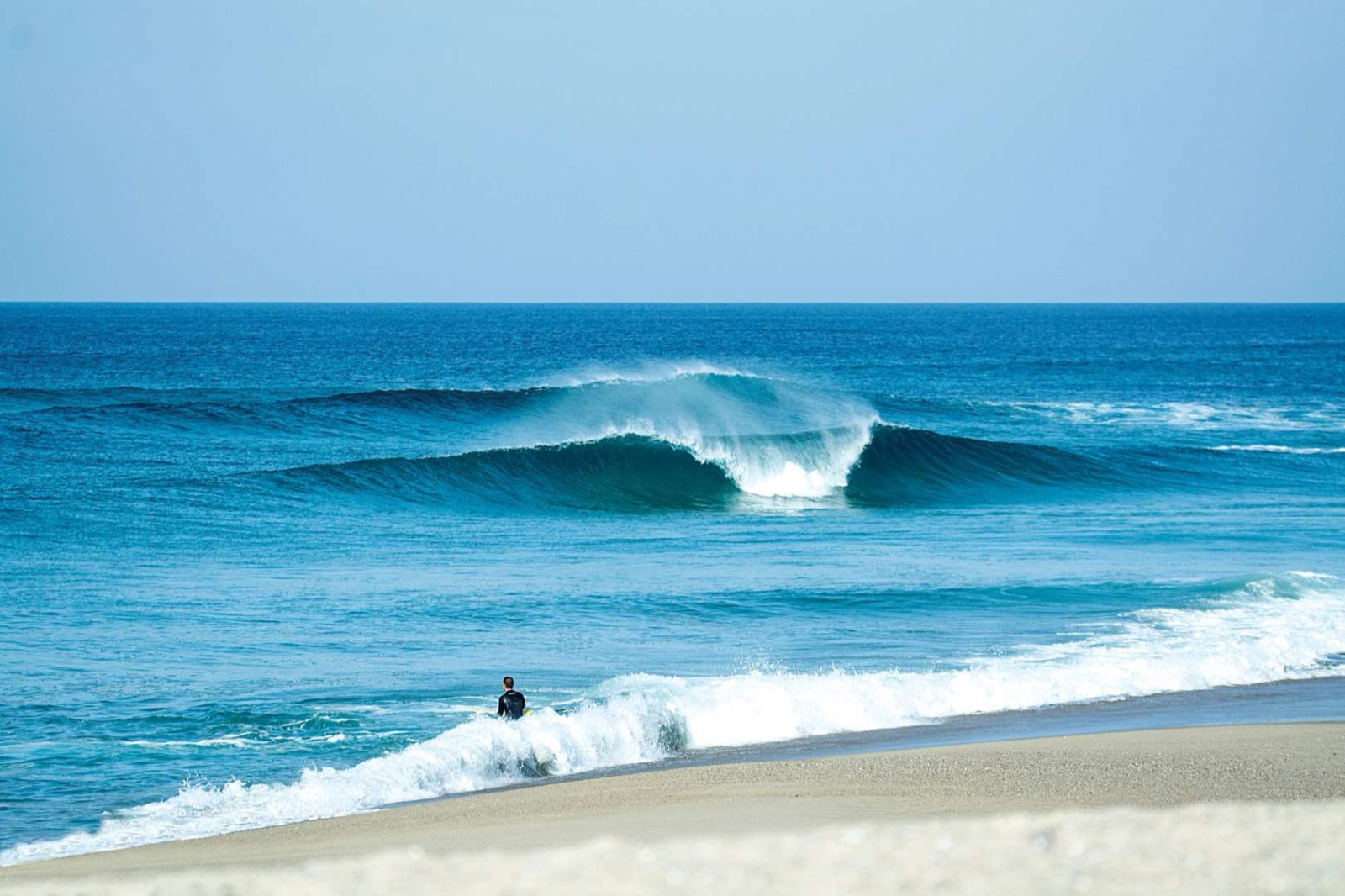 Moderate
Further afield
 Gentle
Further afield
No spot matches all of that at once. Try clearing a filter — or ask us, because the answer is usually “it depends on the tide”.
Not sure which one is yours today?
Ask on WhatsAppPeniche is a peninsula, which is the whole trick: a wind that ruins one side is grooming the other. Filter down to the wave you want, then spin the dial to today’s wind and watch the coast answer.
Tap the map to move it.
Offshore Cross-shore Onshore Colour follows the wind dial.
Drag the needle, or use the arrow keys. It points the way the wind is coming from.
Every spot carries the same five-axis fingerprint, so you learn to read the silhouette rather than the numbers. The grading beside it is separate and deliberately blunt — a quiet, low-barrel wave can still be the most dangerous place on this coast.
Each axis runs from 1 to 5, and 5 always means more: more barrel, a harder paddle, a longer hold-down, more people in the water, more localism. A big shape is a demanding wave.
Don’t know how to read this yet? We’ve got you.
Reading the oceanThree things decide the wave you get: the swell, the tide and the wind. Here is what each one does, and what it means for you.
Swell is wind energy from storms far out at sea, reaching the coast as lines of waves. Its height is how big they arrive; its period, the seconds between two waves, is how much power they carry: the longer, the stronger and cleaner.
What it means for you A long period with a modest height is often a better day than a big, short, messy swell. And a swell only reaches the beaches that face it.
The sea rises and falls twice a day, turning roughly every six hours. The same beach is a different wave at each stage: over a reef, the depth of the water decides whether a wave breaks cleanly or dumps onto the rock.
What it means for you Some spots only work at half tide, others at low or high: each spot page says which. Check a tide table before you go.
Wind from the land, offshore, holds the face of the wave up and combs it smooth; wind from the sea, onshore, pushes it over and breaks it up. No wind at all is glassy.
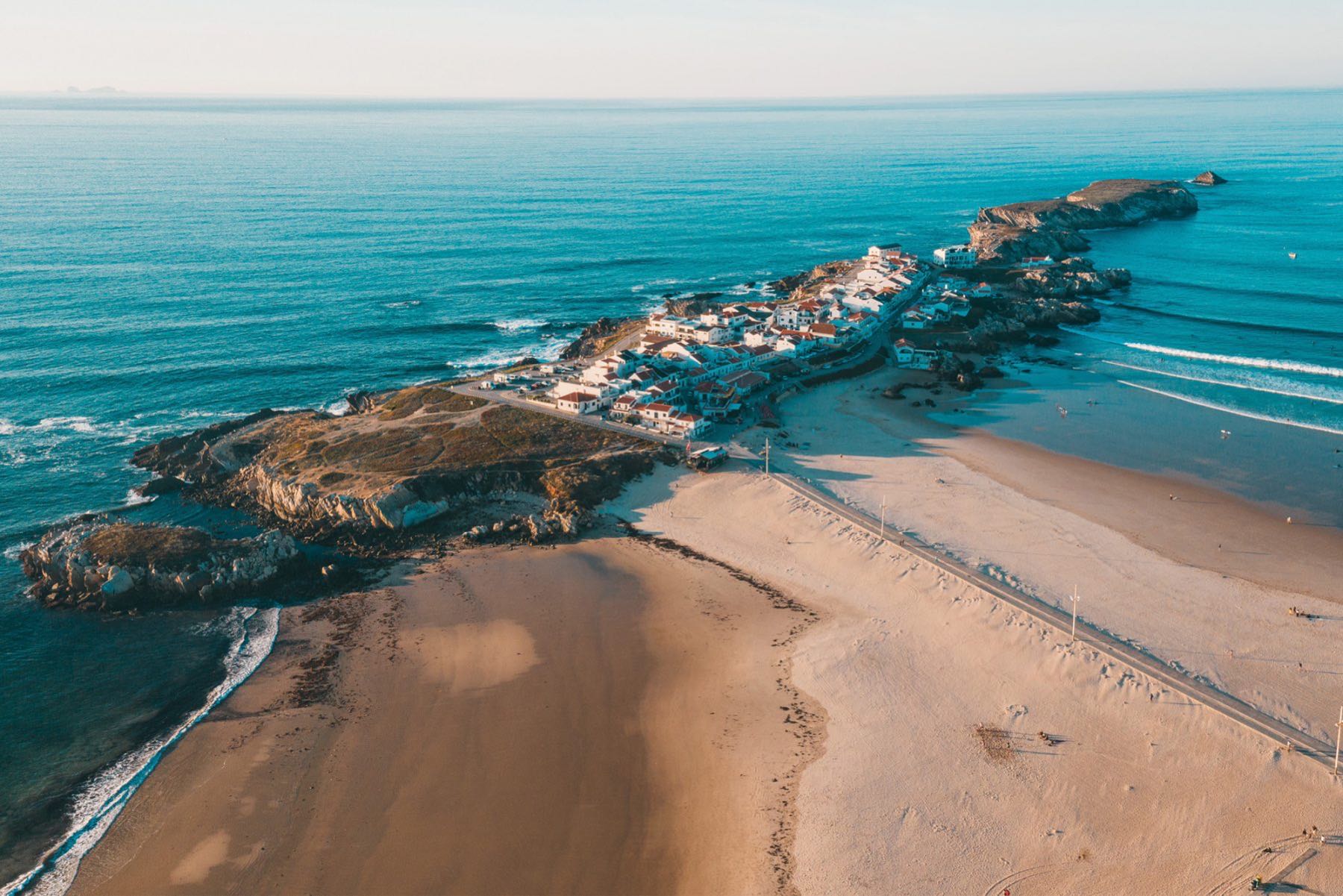
What it means for you Baleal’s trick: the peninsula has two coasts facing opposite ways, Lagide to the north-west and Cantinho da Baía to the south-east, so the same wind is often offshore on one side while it is onshore on the other.
Every morning we pick the beach for our lessons from Prainha, Cantinho da Baía, Gigi, Almagreira and Pico da Mota, depending on the wind and the swell.
Half or full days for surfers who already stand up — forecast reading, choosing the bank, and coaching in the water. Because the length follows the conditions, we price these one by one rather than off a list.
Starting out? Surf lessonsfrom€37per person